
While this post specifically speaks about additives in Creatine supplements, I must emphasize the same health risks apply to regular use of artificially sweetened protein powders or store-bought protein shakes or any flavored and sweetened supplements for that matter.
The use of Creatine supplements has exponentially exploded in the fitness community. Multiple studies over the years continue to show favorable effects of creatine supplementation on physical, cognitive and mental health – and now shown to be beneficial even without exercise ! If muscles are our best anti-aging organ then boosting our natural Creatine levels has gotta be close to the fountain of youth. I believe that we doctors should start recommending Creatine supplementation to middle-aged and elderly patients with fatigue, weakness,frailty and those with neuromuscular disorders for general well-being and energy.
The market for Creatinine in the US alone is expected to grow at an annual rate of 28% in the next decade as per this report. Creatine is a now a regular ingredient in my daily 10-component anti-aging protein shake. While there are hundreds of options and brands to choose from, rising public demand for creatine has given rise to many fancy, flavored Creatine supplements including gummies, chewables and drinks.
As an Internal Medicine physician, however, I must remind my readers to NOT FORGET about the emerging evidence of health risks of artificial sweeteners often used in such flavored Creatinine supplements. The evidence accumulating about the risks of regular consumption of artificial sweeteners is well recognized in the medical community but does not appear to have spilled over to the general population yet. The days when I routinely enjoyed an energy drink or diet coke at work are long gone and instead I sip on water with lemon juice instead during my dirty fasting period.
To cover every associated possible risk of artificial sweeters is beyond the scope of this article, but let me touch on some main ones. But first look at some basics about sweeteners which are of two main types – Caloric and Non-Caloric. Caloric types include Sugar and Sugar-alcohols (e.g. Erythritol) The Non-caloric ones include Artificial (e.g. Sucralose in Splenda®, Aspartame in Equal®, Saccharin in Sweet-n-Low®) and Natural (Plant-based such as a Stevia®)
The artifical sweeteners have fallen lately into doubts about their health risks which include :
- Reduced Insulin sensitivity (aka higher Insulin resistance)
- Fatty Liver (especially with Sucralose (Spenda®). Fatty liver results in Liver Inflammation which then raises risk of Liver Cirrhosis & Liver Cancer
- Bladder cancer
- Alters Gut bacteria (dysbiosis) -> reduces good bacteria which result in reduced useful Short Chain Fatty Acids (SCFAs) and causes Glucose intolerance
- Damages gut linings, causing a ‘leaky gut’ (Sucralose)
- Increased Heart Attack and Strokes with Erythritol ( Truvia®, Swerve®, some Splenda®)
- DNA damage (from impurities in Sucralose)
- Consumption during pregnancy has been associated with preterm birth, Autism
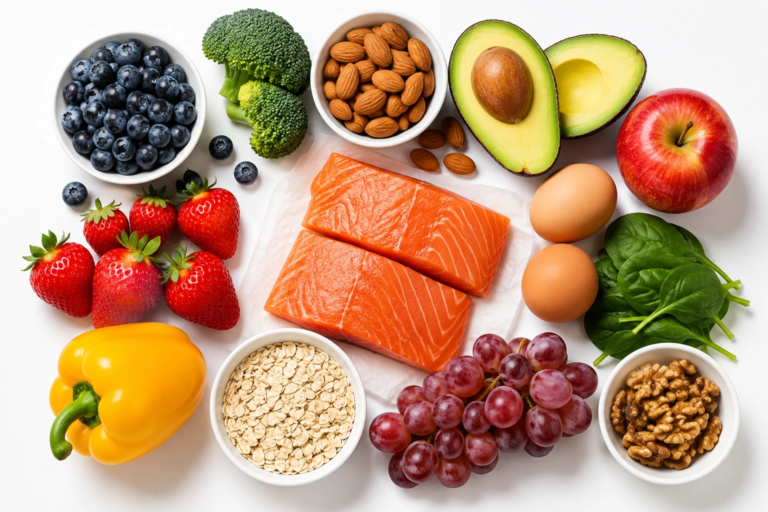
I want to reiterate that this site is about making health good and sustainable – not about being perfect! An occasional energy drink or creatinine gummy on travel for convenience not a problem in my books. But for majority of your days, especially when using something daily – it maybe prudent for us to avoid risk of side effects stacking on and sticking with unflavoured creatinine and unflavored protein powders. I create my own flavor using fruits I blend in my protein shakes ! For people with fruit intolerances, use products that use natural sweeteners.